A tribute to Skye
We had all known that Skye was unwell for a while. She’d been irritable in her work as a therapy horse at the private rehabilitation clinic I work in. Clumsy around the clients. Stepping on a few toes. Nipping a few elbows and ankles. The vet came to see her. He confirmed she was in a lot of pain. A decision needed to be made about what was best for her. Her quality of life needed to be considered. It was sad news.
Skye was 24 years old. In horse-years, that’s a life well lived. Domestic horses live for an average of 25 to 30 years. She, and her two male counterparts Troy and Jake, had been a part of the clinic since I started working there in 2022. I’d known them for over four years. Perhaps I could even call them colleagues. When I’d joined the team at the rehab, I hadn’t even heard of Equine-Assisted Psychotherapy (EAP), a ground-based, non-riding mental health treatment where clients groom, feed, lead, or observe horses whilst guided by a licensed mental health professional. It makes for effective therapy because horses are sensitive animals that mirror human energy, body language, and inner states in the present moment. As clients learn to recognise how their internal mood or stress affects their physical posture and behaviour, emotional self-awareness can emerge. The sessions also facilitate emotional regulation; after all, working around a large animal requires calm energy. Clients learn how to self-soothe, manage anxiety, and regulate intense emotions to keep the environment safe and steady. Within these sessions, there are lessons in boundaries and assertiveness, trust and empathy, mindfulness and presence, responsibility and confidence.
In short, horses can teach us a great deal about ourselves, things we might not discover through traditional talking therapy.
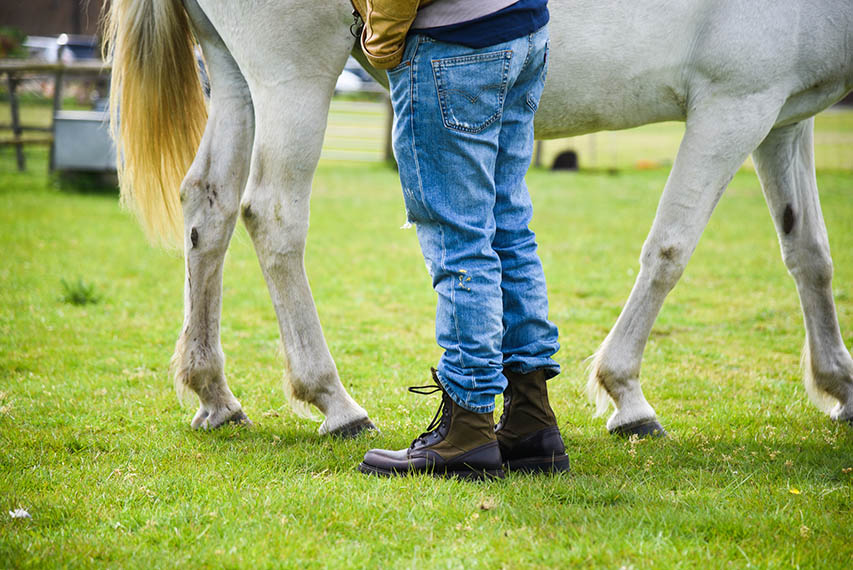
The day came for Skye to leave us. It was a Monday. I was facilitating the morning group with clients when my manager sensitively broke the news to us all, and I was surprised when my eyes welled up. I hadn’t spent a lot of time with Skye. I didn’t know her well. I wasn’t even a ‘horsey person’. Still, it was evident that she meant more to me than I realised. I was used to her always being there, in her field, a constant presence amongst the ever shifting dynamics of the rehab. As I processed the news, a few tears sploshed down my cheeks. I reached for the tissue box which was conveniently placed for clients to wipe tears which might fall during group therapy. Whilst it’s not a horrifying taboo for a therapist to cry in front of clients, it’s certainly not commonplace nor encouraged. I couldn’t help feeling that the roles had strangely reversed. However, my expression of sadness, my vulnerable moment, felt OK. I figured that I was modelling a healthy response to loss. It was nothing to hide.
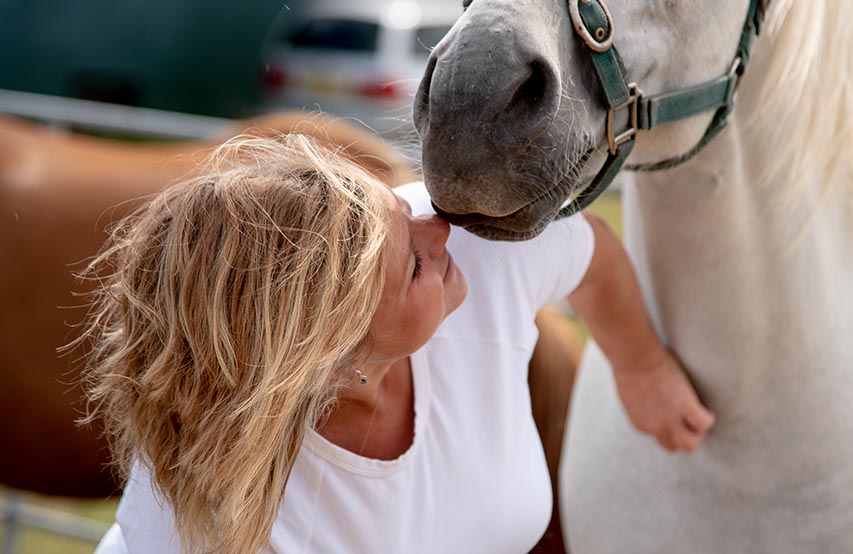
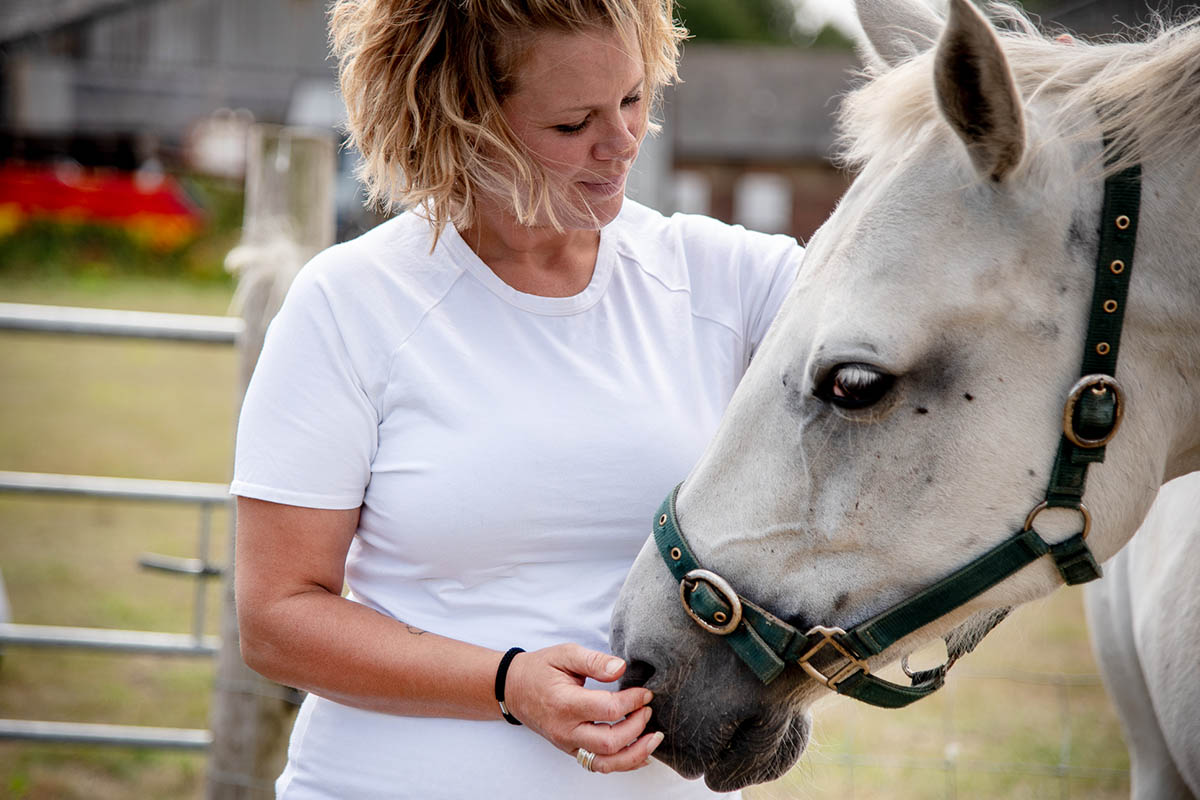
Mid-morning, between therapy sessions, I made myself a cup of tea and took it to the field to say goodbye to Skye. It was a chilly day, and she was wearing a coat. When she saw me, she approached the fence and I admired her fair eyelashes, snow-white nose, and cream mane for the final time. She leaned towards me, putting her grey whiskery mouth inquisitively into my mug of tea. ‘You’ve helped ever so many people,’ I told her, and she nodded as though she understood. In fact, Skye’s bobbing head seemed to be accepting of her final hours. Far more accepting than I was. Yes, my watery eyes were for the white horse in front of me but in that moment, I also connected with something bigger than her.
Loss.
Every version of it. Fatal and non-fatal. Big and small. It is impossible not to work within a mental health crisis team and not be affected by the losses which clients are holding when they arrive. There are losses of every kind – faith, identity, health, people, jobs, money, homes, families, friends, control, direction, self-esteem, hope, and purpose. The rehab environment is a microcosm of the world beyond it and, for a minute or two, standing with Skye, all the collective loss contained within being human felt overwhelming. The loss of Skye wasn’t just about the loss of Skye. It was about everybody.
My reason for writing this article? Well, when I feel things, I tend to write about them. It helps me consolidate my thoughts, find clarity and meaning, but this story is more than that. It’s an invitation for you to let in your own losses. To not bury them away. To hold them up to the light. To grieve. The most obvious type of loss is bereavement but what about the other losses which are not related to death? Those are destabilising too. They’re also ambiguous. Not clear-cut. Often, those around us may not recognise or validate the grief associated with non-fatal loss, leading us to feel isolated and lonely, but these losses are worthy of counselling, peer support, and self-compassion. The relocation which I went through five years ago was full of loss. I struggled with the absence of friends, my community, and job and those tangible losses exacerbated the hidden losses I’d was harbouring such as confidence and self-esteem. The whole process wiped me out, as did the burden of silliness and shame which I felt.
If you are currently feeling a loss, I encourage you to acknowledge your feelings without judging yourself. Talk about your loss with someone you trust. Express your thoughts creatively, perhaps by writing in a journal. Take it one day at a time. Grief does not follow a strict timetable. Some days will feel heavier than others, and a difficult day does not mean you are moving backward.
It was hard to walk away from Skye, as it was for many others who’d known her, but I consoled myself with the fact that she would leave her legacy and isn’t that what all of us want? To be remembered. To have been useful. To have been part of something. To have belonged. Skye was an inspirational example for us all and I imagined her hooves soon thundering through horsey heaven. Later that day, we could hear Troy and Jake whinnying in her absence. They were crying. I thought of elephants and the empathic way they grieve, and I guessed horses also had their own process. I thought about how helpless we can feel when we see and hear others going through a tough time, and how we often cannot ‘fix’ it for them. Grief needs time.
Rest in peace, Skye.