“Five minutes,” I explain to the group. “Just five minutes of writing a day is all you need to make a big difference.”
That’s how I to open the weekly journaling group I facilitate at a leading rehabilitation clinic which supports people with problematic mental health issues, particularly substance and behavioural addiction. I want the act of writing to feel accessible for the clients at the centre. Non-daunting. Simple. Welcoming. For many of them, the act of expressive writing has connotations with being at school and may hold discomfort. They may feel initially resistant to what I’m inviting them to do. It’s therefore important that I set small expectations.
Five minutes.
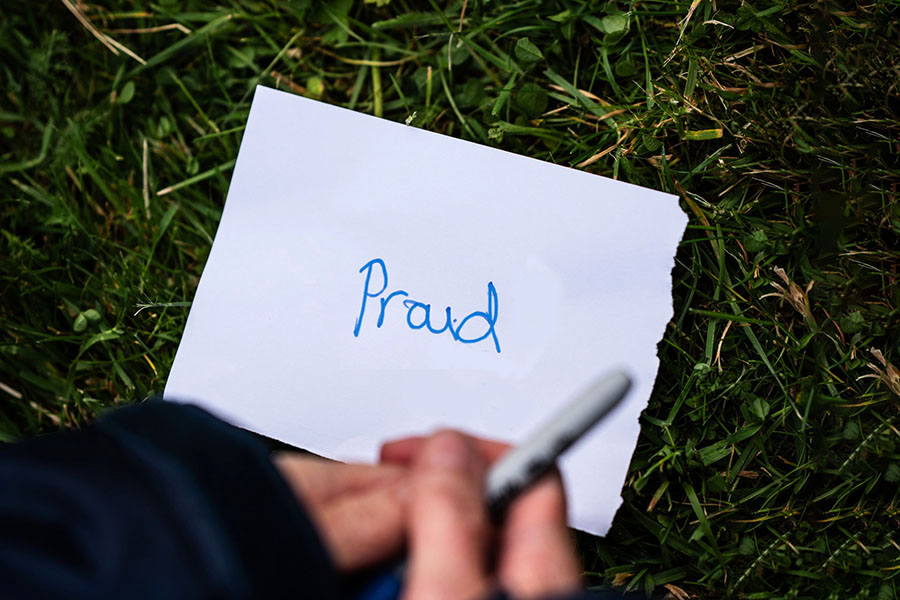
“Can I do my journaling on my phone?” someone often asks, and I gently encourage them not to. Setting aside our distracting screens is cathartic in itself, and putting pen to paper deepens brain activation, helps us retain information better, and is far more effective in mental offloading. Still, if someone is insistent on using an app or typing notes, I definitely don’t disapprove. It’s far better to for them to do it than not do it at all.
I give the group a handout which outlines a quick and easy ‘checking-in’ journaling prompt. “If this is all you do every day, or every other day, it is enough,” I state. I do the same five-minute prompt each week – not because I can’t think of anything else to do, but because consistency is key. If we’re repeating the same prompt each day, we are able to notice our patterns straightaway. Our ups-and-downs. Our setbacks and progress.
We are able to get a good idea of what is going on for us.
We need to know what is going on for us.
Why?
So we can understand ourselves. So we can tune in to how we really feel and what we genuinely need. How many of us have woken up in the morning with a sinking dread of sadness or harbouring the burden of irritability or unease. How many of us actually pause to try and work out what that feeling is? When we take time to acknowledge it and give it a name, we can work with it. We can have a good old think about what might help us manage it.
Feelings and needs. That’s what it comes down to. Instead of mulling all of this over in our heads and getting tangled and overwhelmed, writing it down brings clarity.
‘I’m feeling angry,’ I may write. ‘Let down, in fact. Hurt. My client has ghosted me and not paid me. I thought we had a good relationship. We had lots of plans for the future. I need someone to talk to. Someone to share the load with.’
Just by expressing this – seeing my thoughts in black and white on paper, I will undoubtedly feel lighter. Less overwhelmed. More in control. Working at the rehab, the team and I advocate the necessity of acknowledging difficult feelings, sitting with them, and using ‘tools’ to constructively respond to them instead of resorting to unhealthy coping mechanisms – avoidance, denial, isolation; in other words, behaviour which could derail their sobriety. Recovery actually lies in the small, slow, tedious, digestible process of regulating our emotions over and over and over again.
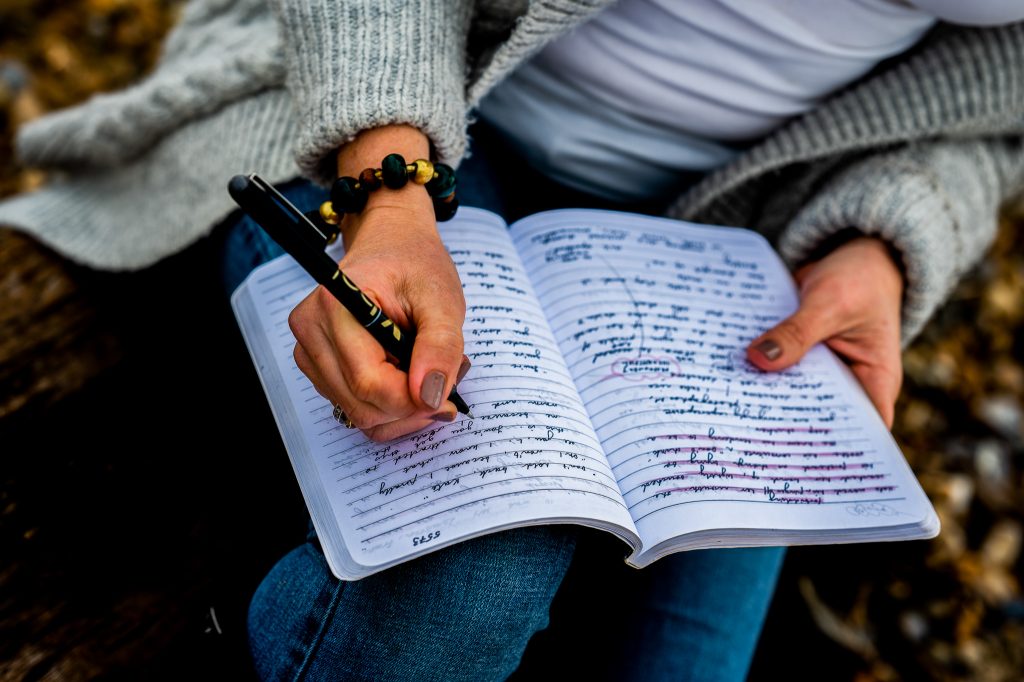
Truth is, we’re all recovering from something. There is loss in all our lives, not necessarily of the fatal kind. We lose friends. Pets. Freedom. Health. Identity. Purpose. Confidence. A prominent loss in my own life which thoroughly rocked my boat was when I relocated. A loss which seemed silly and yet, looking back, was valid. If only I’d written about it instead of hid it away in shame.
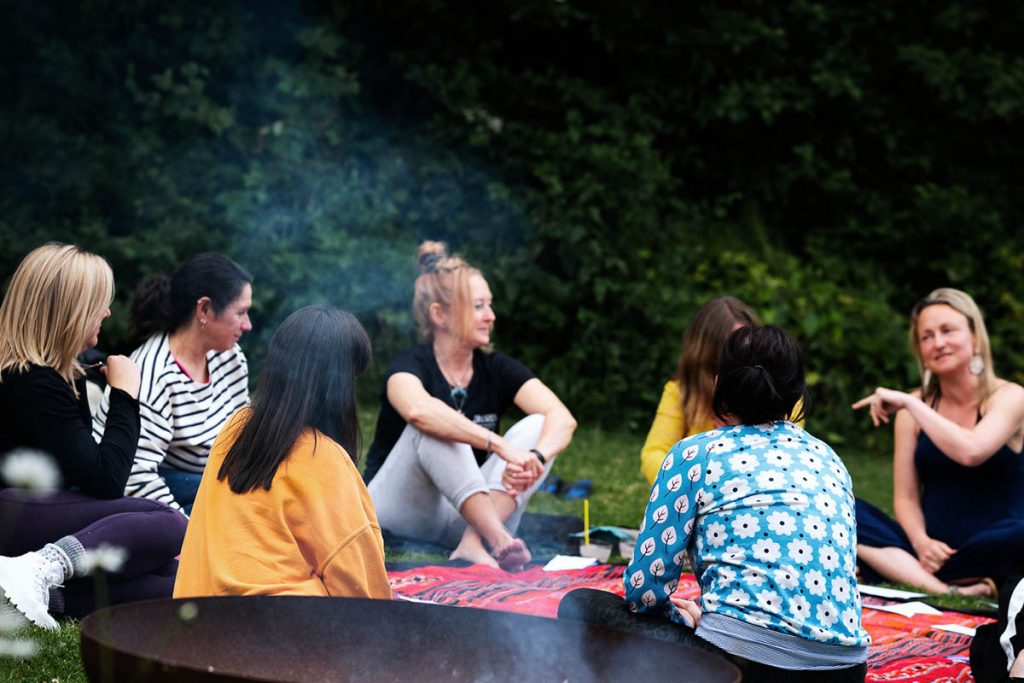
‘So, what is this five-minute prompt you speak of?’ I hear you pondering. The thing is, I don’t want to give it away in this article. I want you to come to my journaling groups. I want to meet you and I want you to meet me. I want you to feel the power of sharing within a small and safe group. To feel supported. Understood. Empowered. More connected with the concept of calming your brain’s emotional centre, organising your scattered thoughts, and improving your emotional regulation. Super motivated to make a beneficial change in your life.
I am running these groups around the Dover area and keep my Instagram up to date with upcoming sessions. If you can’t see what you’re looking for, please do get in touch at [email protected]. I also offer one-to-one journaling sessions if you are not quite ready to join a group.
I’ll leave you with the following:
‘How do I know how I feel until I see it?’
Get it written down!